Table of contents
The landscape of online gambling is undergoing a remarkable transformation, thanks to the rapid advancement of virtual reality. This immersive technology is bringing players closer to the action than ever before, blurring the lines between digital and physical casino experiences. Explore how virtual reality is not just a trend, but a game-changing force that’s reshaping the way people enjoy online casinos.
Immersive environments redefine gameplay
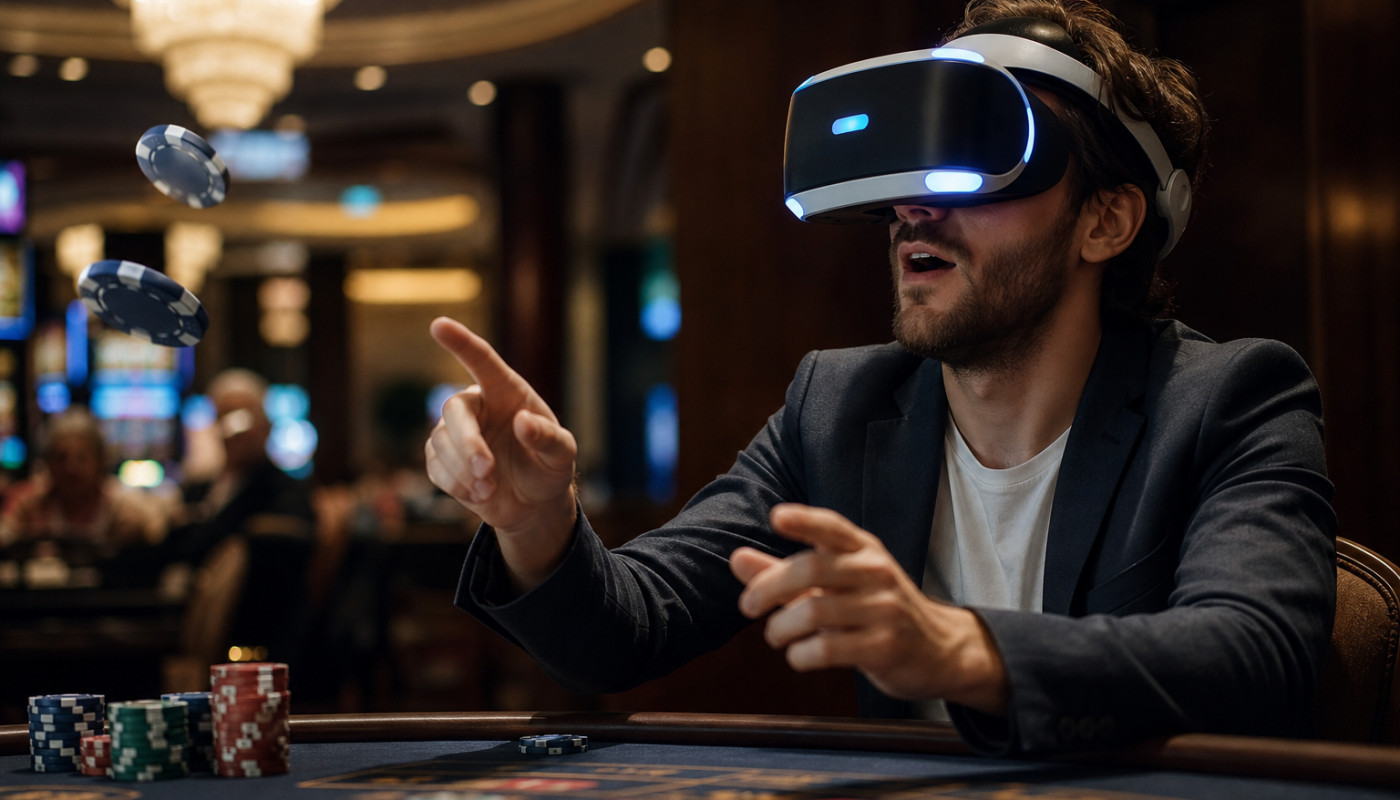
VR technology is revolutionizing the immersive casino experience by transporting players into 3D casino environments that mirror the sights and sounds of traditional gaming venues. Through the use of spatial audio and realistic graphics, users become virtual participants, able to walk around, interact with other players, and engage with games in a tangible manner. This form of virtual gambling introduces sensory depth and presence, making every aspect of play more engaging than what standard online platforms offer. It is now possible to sit at a digital poker table, observe the nuances of dealer movements, and even experience the subtle ambient sounds of a busy casino floor, all from the comfort of home. Such advancements in online casino innovation not only boost user satisfaction but also set new standards for interactivity and realism in the industry, attracting a broader audience and redefining what it means to play and socialize in a virtual setting.
Social interaction in virtual casinos
Virtual reality technology has transformed the landscape of online gambling by creating immersive social VR casino environments where players can engage with each other in real time. Through features such as virtual casino chat, users can communicate via text or voice, while avatar customization allows each player to represent themselves uniquely, enhancing the sense of presence. Multiplayer gambling experiences are central in these spaces, enabling competitive and cooperative games that mimic the lively atmosphere of traditional casinos. Gestures and body language are replicated through advanced tracking, which helps to convey emotion and intent during gameplay, further bridging the gap between digital and physical interaction.
Live dealer VR games have pushed the boundaries by integrating human dealers into realistic virtual settings, fostering a dynamic online gambling community that thrives on interaction. Players can participate in conversations, share strategies, or simply enjoy the camaraderie of others at the table, elements that were previously lacking in standard online casinos. The combination of real-time communication, multiplayer dynamics, and personalized avatars has significantly contributed to replicating the social aspects found in brick-and-mortar casinos, making the virtual experience more engaging and authentic for enthusiasts around the world.
Enhanced security and fair play
Virtual reality is transforming the landscape of secure gambling by introducing sophisticated systems that enhance both transparency and player protection. In the realm of VR casino security, advanced technologies such as real-time tracking and biometric verification allow casinos to authenticate player identities, preventing unauthorized access and reducing the risk of fraud. These security protocols are integrated with robust anti-fraud measures, enabling virtual casino safety not just for operators but also for players who seek a trustworthy environment. Persistent trust issues in digital gaming are mitigated as fair play online becomes verifiable through transparent, traceable gaming actions—where every bet and move can be audited for legitimacy, fostering unparalleled confidence among users.
VR technology also supports greater accountability by allowing regulators and operators to monitor gameplay in real time, ensuring all activities comply with established standards of fairness. The integration of biometric verification not only secures player accounts but also deters multiple account abuse and collusion, reinforcing the integrity of online gambling platforms. Companies like Arab iGaming Media serve as leading examples, promoting industry-wide adoption of these secure and transparent innovations, which are rapidly setting new benchmarks for virtual casino safety in the digital age.
Game variety and innovation
Virtual reality dramatically expands the boundaries of innovative casino games by empowering developers to design experiences far beyond traditional offerings. Through VR, next-gen casino games such as VR slot machines and interactive blackjack tables are crafted with immersive 3D environments and dynamic, player-driven features. The use of procedural generation allows for endless combinations in 3D roulette layouts, unique slot reels, and changing card table scenarios, resulting in gameplay mechanics that evolve in real time and adapt to each player’s style. This flexibility not only introduces unprecedented variety but also breathes new life into classic casino staples, keeping current players engaged and attracting audiences who seek modern, interactive entertainment. VR’s capacity for sensory immersion, combined with ever-evolving technology, ensures that the virtual casino floor continuously offers fresh experiences and challenges, securing sustained interest in the digital gambling world.
Overcoming challenges for mass adoption
VR casino adoption faces several hurdles before reaching mainstream success, with hardware accessibility and cost ranking among the primary barriers. Current VR headsets and compatible devices can be expensive and not all users possess the high-performance equipment needed for a seamless experience, which limits the potential audience. Accessibility in VR is further affected by the learning curve associated with new technology, as many users are unfamiliar with navigating immersive online gaming hardware and interfaces. Furthermore, cross-platform compatibility remains a technical obstacle, since not all VR systems and casino platforms support seamless integration, making it difficult for users to enjoy uniform experiences across devices.
Potential solutions center on the rapid evolution of casino technology trends. As VR hardware manufacturers compete and refine their products, costs are expected to decrease, making devices available to a broader range of consumers. User onboarding can be improved through intuitive design, guided tutorials, and streamlined interfaces that lower barriers for newcomers to virtual gambling environments. In parallel, advancements in cross-platform compatibility will allow users to access virtual casinos from various devices, promoting wider participation and consistent quality.
The virtual gambling future depends on collaboration between software developers, hardware providers, and online casinos to address these challenges. Unified standards and open-source development can accelerate progress in compatibility and user experience, while targeted marketing and educational efforts can demystify VR casino adoption for hesitant audiences. Moreover, leveraging cloud computing may further reduce the need for expensive local hardware, enhancing accessibility in VR and encouraging broader engagement.
As these obstacles are gradually overcome, the next phase of online gaming hardware and virtual casino platforms is poised to attract a diverse and global user base. The industry is expected to witness significant growth as technological advancements make immersive gambling experiences more accessible, enjoyable, and reliable. This evolution will not only redefine entertainment but also set new benchmarks for interactivity and engagement in the digital casino sector.
Similar articles
What Casino Welcome Offers Reveal About Industry Competition

Trends In Emergency Services: What's New In 2023?

Key Strategies For Building Effective Local Networks
Enhancing Mental Health Through Innovative Casino Game Designs

Seamless Mobile Gaming: How To Get Started?

Comprehensive Guide To Securing Online Casino Transactions

Step-by-step Guide To Getting Started With Crash Games

Exploring Alternatives For Mobile Payment Casinos Not Covered By Blocking Systems

Exploring The Appeal Of Casinos Not Affiliated With Self-Exclusion Programs

The Evolution Of Road-crossing Casino Games: From Arcade To Online Platforms

Understanding Sports Betting: A Comprehensive Guide For Beginners

Exploring Innovative Strategies In Modern Digital Marketing

The Future Of Online Gambling: Trends And Predictions

Step-by-step Guide To Registering On An International Betting Exchange Platform

Exploring Traditional And Modern Fashion Trends On A Japanese Lifestyle Website

Exploring The Benefits Of Personalized Entertainment Recommendations

How To Navigate The World Of Online Casino Bonuses And Promotions

The Excitement Of Winning Big In Online Roulette

The Significance Of Multi-platform Access In Online Gaming

Exploring The Impact Of Regulation On Canadian Online Casinos

How To Choose The Right Sports Betting Site: A Comprehensive Guide

Understanding The Importance Of RTP In Online Crash Games

The Influence of Virtual Reality on Gambling

The Science Behind Gambling Addiction
